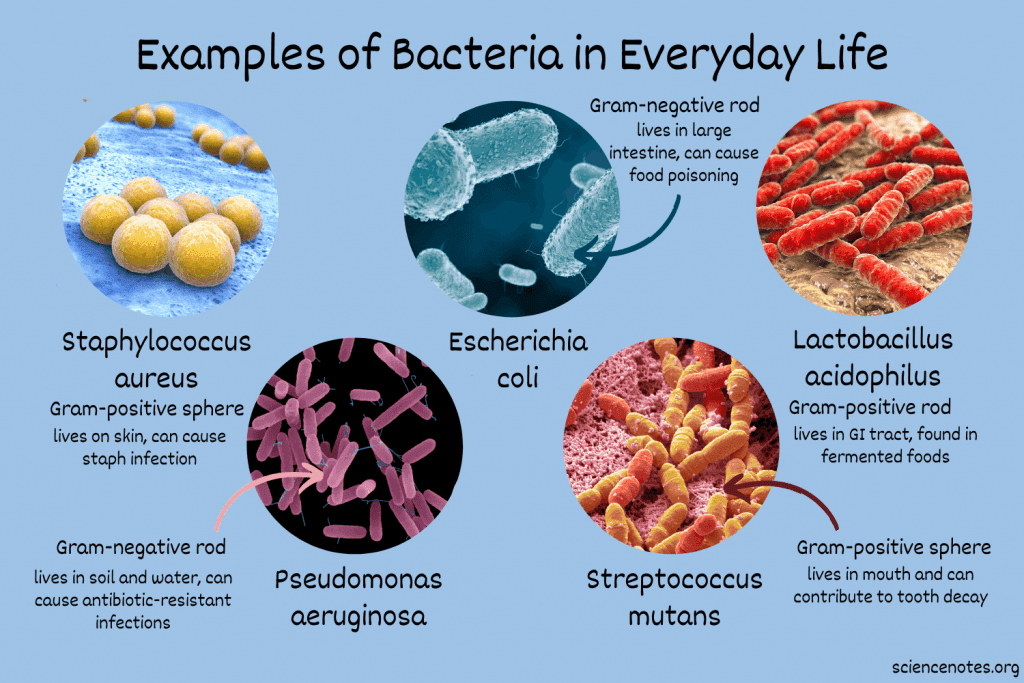
Bacteria and viruses are ubiquitous in water — and controlling them is one of the biggest challenges in food, beverage, and pharmaceutical manufacturing. In addition to the disinfectant itself, concentration and contact time (often specified as the CT value) are the two main factors that determine whether a water disinfection process succeeds or fails.
Although real-time microbial monitoring techniques are emerging, they are expensive and rarely deployed. Standard microbial testing methods take three to five days to produce results — often too late for an immediate corrective action. In pharmaceutical USP purified water production, water is a super-critical ingredient and utility without which manufacturing operations cannot continue. Continuous monitoring, control, record keeping, digital data integrity, and validation are regulatory requirements that must be met.
In food processing, beverage production, bottled water plants, dairy facilities, meat and poultry operations, and pharmaceutical water systems, product safety often depends on one invisible but decisive factor: how reliably disinfection is controlled. Manual or conventional chemical dosing struggles when flow rates change, chemical strength varies, off-gassing occurs, or disinfectant demand shifts during operation. A good disinfection process must demonstrate at least a 3-log reduction of microbial population — and only the right combination of disinfectant selection, concentration, contact time, dosing, monitoring, and control can deliver that result. Unfortunately, disinfection is often taken for granted, and underdosing, overdosing, and even no dosing are still common in the field.
The IIoT-enabled I-Dose Smart Digital Disinfectant Dosing System from Ionic is engineered to solve exactly this problem. It combines digital sensors, smart dosing pumps, real-time monitoring, remote access, alarms, automated reporting, and process-based control logic in a single integrated platform. The result: more consistent residual control, lower risk of underdosing or overdosing, better traceability, and stronger protection for product quality, process hygiene, and brand reputation.
Why disinfection control matters in food, beverage and pharma
Disinfection is not just about adding a chemical to water. It is about maintaining the right residual, at the right point, at the right time, under continuously changing plant conditions. In post-harvest vegetable washing, for instance, sanitizers reduce the microbial load in process water and lower the risk of cross-contamination between produce items, especially when water is reused or recirculated.
In beverage, bottled water, dairy, and pharmaceutical operations, poor dosing control creates two simultaneous risks: insufficient microbial protection and unnecessary excess chemical exposure. Accurate dosing is therefore critical not just for process performance, but for product safety, operating cost, audit readiness, and consistent finished-product quality.
What makes the I-Dose smart digital dosing system different
I-Dose is built as a smart digital platform for disinfectant dosing in water and process applications. It can dose based on measured variables, mains water flow rate, target setpoint, and chemical concentration. It also monitors chemical tank level, and in enhanced versions, chemical consumption, pump performance, and automatic deaeration or venting for off-gassing liquids.
Industry 4.0 and Water 4.0 architecture
Its IIoT architecture includes real-time remote access, 24×7 monitoring, data logging, trending, automatic report generation, email and SMS alerts, internal data storage, and digital communication via Profibus, Modbus, and TCP/IP — with full SCADA or DCS connectivity. The system supports two-way communication: operators can both download process data and upload revised settings, setpoints, and PID parameters from a remote interface when authorised.
Standard package components
The standard I-Dose package includes a corrosion-resistant PP-H skid, a vapour-tight chemical tank, an online analyser, a digital residual sensor, sample flow monitoring, a smart digital dosing pump, a low-level switch, an injection valve, mains flow measurement, and a calibration test kit. For users who need deeper process visibility, optional features add monitoring of chemical consumption, back pressure, dosing pump flow rate, and additional sensing such as chlorite monitoring for chlorine dioxide systems or pH monitoring for chlorine systems.
How digital dosing improves product safety
Traditional dosing systems often suffer when disinfectants off-gas, when water flow changes, or when the actual demand in the system drifts away from the original design condition. I-Dose addresses these realities with flow-proportional PID control, integrated digital measurement, smart pump diagnostics, and adaptive features that maintain dosing performance under variable process conditions.
Additional features include automatic degassing support for difficult chemicals, integrated flow measurement, plain-text alarm diagnostics, and pressure-variation compensation through smart pump control. In practical terms: fewer hidden dosing failures, faster operator response, and stronger confidence that the disinfection barrier is actually working.
For food, beverage, and pharma manufacturers, digital control improves product safety in three ways. First, it reduces the chance of underdosing, which leaves microbial risks uncontrolled. Second, it reduces overdosing, which affects product quality, chemical cost, and regulatory comfort. Third, it creates a digital audit trail through continuous monitoring, stored data, trending, and automated reporting.
Application areas across food, beverage and pharma
Post-harvest vegetable washing
Post-harvest water must be safe and of adequate sanitary quality for its intended use. Sanitizer control is widely recognised as a key step to reduce cross-contamination during washing, rinsing, cooling, and packhouse handling. I-Dose helps maintain disinfectant residuals in wash water despite changes in water flow, organic loading, and operating patterns through the day — particularly where wash tanks, flumes, spray washers, or recirculated water loops are used. A smart dosing platform with remote monitoring, alarms, and trend logs gives production and quality teams clear visibility into sanitizer performance instead of relying on periodic manual checks.
Beverage and bottled water production
In beverage plants and bottled water facilities, water quality consistency is directly linked to product safety and consumer trust. I-Dose is suitable for applications where disinfectant residual must be maintained precisely in process water or utility water systems, with live measurement, automatic adjustment, and remote supervisory control. For chlorine-based systems, free chlorine measurement should be considered together with pH because free chlorine effectiveness is pH-dependent — and I-Dose can incorporate online pH monitoring and compensation. For chlorine dioxide systems, optional online chlorite monitoring is available to track the disinfection by-product chlorite where required.
Ice cream, dairy, meat and poultry processing
Food plants handling milk products, ice cream, meat, and poultry must keep process water and hygiene systems under tight control because contamination events spread quickly across batches, lines, and contact surfaces. Chlorine dioxide is widely used in food-processing sanitation because of its strong antimicrobial action, broad pH effectiveness, and usefulness in water and CIP-related hygiene applications. Research and industry sources also note its effectiveness in produce washing and meat or poultry sanitation, with strong oxidation performance and lower sensitivity to pH than traditional chlorine. Paired with a smart digital dosing platform like I-Dose, that chemistry is applied with tighter control, better records, and far less dependence on manual intervention.
Pharmaceutical and USP purified water systems
Pharmaceutical manufacturing depends heavily on hygienic utility systems. Chlorine dioxide is used in some pharmaceutical water-system disinfection and decontamination applications because of its broad antimicrobial efficacy and ability to support clean water-system hygiene. The I-Dose platform is highly relevant here: pharma users need reliable monitoring, repeatable dosing, alarm visibility, and digital records that support disciplined operation and traceability. The brochure specifically identifies pharma as a critical application area and emphasises reliable monitoring, control, data logging, configurable operation, and audit-trail support — helping operators move from reactive dosing to measured, data-backed disinfection management.
Why chlorine dioxide is often preferred in critical applications
Chlorine dioxide is recognised for disinfection efficiency. It is approximately 2.5 times more powerful than free chlorine and is not significantly affected by pH in the way chlorine systems are. Independent published sources also describe chlorine dioxide as effective at low concentrations, useful over a broad pH range, and valuable across food safety, water treatment, and pharmaceutical disinfection.
Additional advantages include reduced formation of harmful chlorinated by-products compared with chlorine, and stronger biofilm penetration in some applications. That said, the real performance of any disinfectant still depends on correct generation, correct dosing, correct monitoring, and correct control — exactly where a digital, IIoT-enabled system delivers value.
From chemical dosing to intelligent risk control
The most important shift is this: product safety should not rely on guesswork, operator habit, or once-per-shift adjustments. It should rely on continuous measurement, automatic correction, remote visibility, actionable alerts, and stored performance history.
That is the promise of the IIoT-enabled I-Dose Smart Digital Disinfectant Dosing System. Whether the application is vegetable wash water, beverage process water, bottled water production, dairy and ice cream sanitation, meat and poultry hygiene, or purified water disinfection in pharmaceutical operations, I-Dose helps transform disinfectant dosing into a smarter, safer, and more accountable process.
Frequently asked questions
What is an IIoT-enabled disinfectant dosing system?
An IIoT-enabled disinfectant dosing system is a connected dosing platform that uses digital sensors, smart pumps, and Industry 4.0 communication protocols (such as Modbus, Profibus, and TCP/IP) to dose disinfectants based on real-time process variables. Ionic's I-Dose adds remote monitoring, automatic alarms, data logging, and PID-based flow-proportional control on top of a corrosion-resistant skid.
How does I-Dose maintain a consistent disinfectant residual?
I-Dose continuously measures disinfectant residual using a digital sensor, compares it against the operator-defined setpoint, and adjusts the smart digital dosing pump using flow-proportional PID control. It compensates for variation in flow, off-gassing, and back pressure, and raises plain-text alarms when residual drifts outside acceptable bounds.
Can I-Dose be used for USP purified water systems?
Yes. Pharma is one of the primary application areas for I-Dose. The system supports continuous monitoring, repeatable dosing, alarm visibility, internal data storage, and digital audit trails — all of which align with USP purified water and regulatory expectations around data integrity and validation.
Why is chlorine dioxide preferred over chlorine in food and pharma?
Chlorine dioxide is approximately 2.5 times more powerful than free chlorine, works effectively across a broad pH range, produces fewer harmful chlorinated by-products, and penetrates biofilm more effectively. These properties make it well suited to food sanitation, dairy and beverage hygiene, and pharmaceutical water-system disinfection.
What communication protocols does I-Dose support?
I-Dose supports Profibus, Modbus, and TCP/IP, with full SCADA and DCS integration. It also supports two-way communication, so operators can both download process data and upload revised setpoints or PID parameters remotely from authorised interfaces.